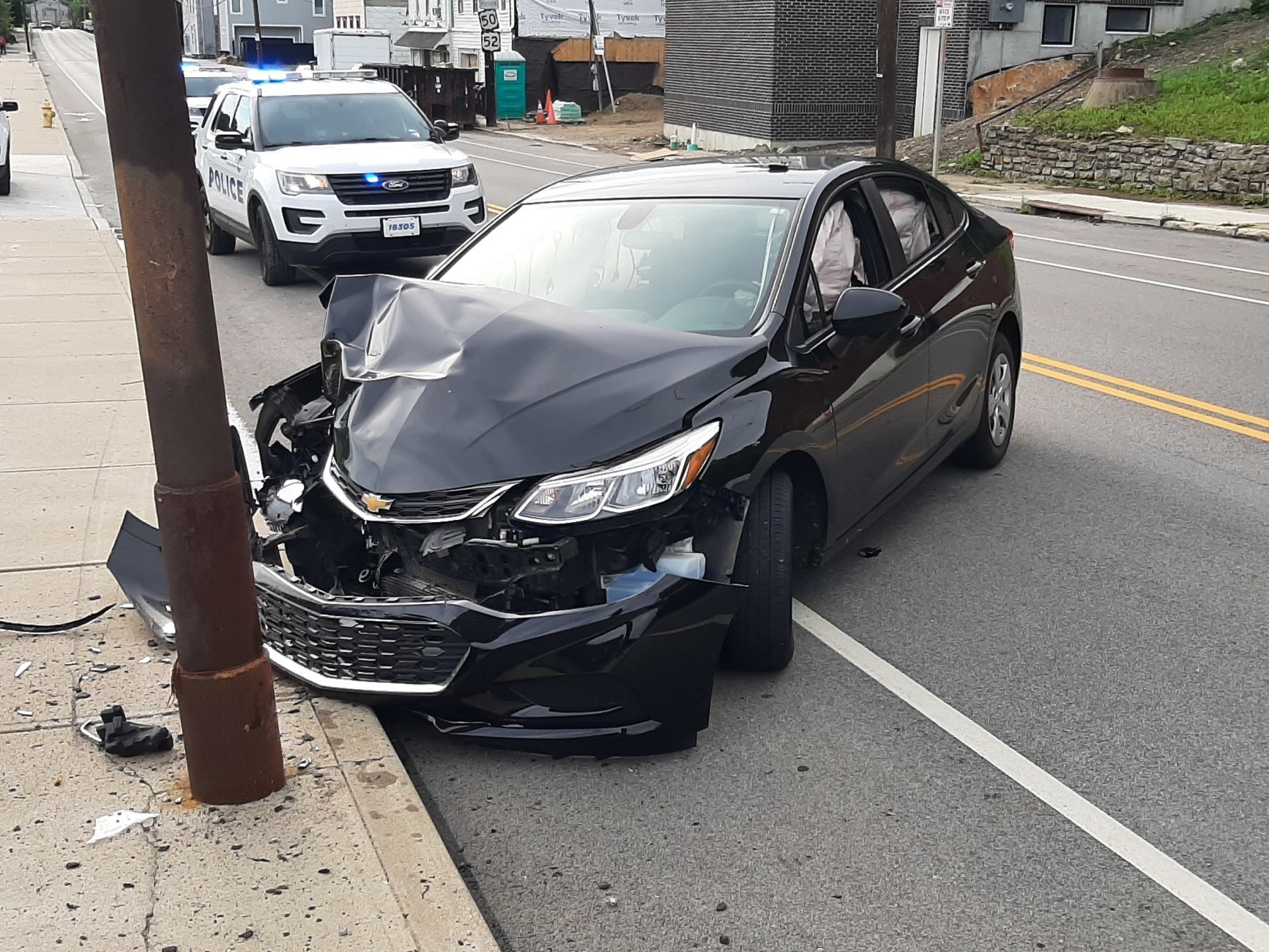
When it comes to auto insurance, there’s a term that often goes unnoticed: diminished value. It’s a concept that can significantly impact your vehicle’s worth after an accident.
But what exactly is diminished value?
In simple terms, it refers to the reduction in your car’s market value after it has been involved in an accident and repaired. Even with top-notch repairs, the fact that your vehicle has a history of an accident can lower its resale value.
This article aims to shed light on the concept of diminished value, focusing on its relevance in auto insurance. We’ll delve into the process of diminished value appraisal and how it affects your insurance claims.
Specifically, we’ll explore the intricacies of diminished value claims in North Carolina. By the end of this read, you’ll have a comprehensive understanding of diminished value and how to navigate it in the realm of auto insurance.
Let’s get started.
What is Diminished Value?
Diminished value is a crucial yet often misunderstood aspect of auto insurance. It refers to the loss in a vehicle’s value following an accident.
Even after successful repairs, the car usually sells for less than its pre-accident market value. This is what diminished value captures.
Potential buyers often hesitate to purchase vehicles with a history of accidents, fearing future issues. This impacts the demand and reduces the market value.
Here are the main types of diminished value:
- Immediate Diminished Value: The drop in value from the accident to before repairs.
- Inherent Diminished Value: The loss due to the vehicle’s accident history, assuming quality repairs.
- Repair-Related Diminished Value: Value lost because repairs were not up to standard.
Understanding these types will help you approach insurance claims more effectively. Insurance companies know about diminished value, but coverage varies by state.
In some places, like North Carolina, you can claim diminished value from the at-fault party’s insurer. Knowing your rights is essential to securing fair compensation for your vehicle.
Types of Diminished Value
When discussing diminished value, it’s crucial to consider its various types. Each type has unique implications for car owners.
The concept encompasses three primary types: immediate, inherent, and repair-related diminished value. Each plays a role in assessing a vehicle’s post-accident worth.
- Immediate Diminished Value occurs right after an accident. It’s the initial drop in the car’s resale value before any repairs.
- Inherent Diminished Value emerges after quality repairs. It reflects the potential buyer’s mistrust in cars with accident histories.
- Repair-Related Diminished Value results from inadequate repairs. Subpar work can further lower the vehicle’s market value.
Understanding these distinctions is important. It will help in identifying the right approach when filing a claim.
Claims for diminished value can be complex. However, knowing these types can aid in navigating discussions with insurance companies.
Ultimately, each vehicle and accident scenario is unique. Evaluations should always consider the specific details involved.
Immediate Diminished Value
Immediate diminished value is the first impact a crash has on a vehicle’s price. It focuses on the difference between the car’s market value before the crash and before repairs.
This type does not rely on repair quality or accident acknowledgment by future buyers. It purely reflects the immediate depreciation.
In this phase, the vehicle is typically unsellable at its former price. Sellers must account for this immediate loss when considering their options.
Inherent Diminished Value
Inherent diminished value takes a longer view of a vehicle’s worth. Here, the focus is on the car’s post-repair market perception.
Even with top-notch repairs, the vehicle’s crash history remains a concern. Buyers often pay less, worried about potential hidden damage.
This type of diminished value is the most recognized in claims. Many insurers acknowledge this impact, though compensation varies by policy.
Repair-Related Diminished Value
Repair-related diminished value highlights flaws in the repair process. It occurs when the restoration quality fails to match pre-accident conditions.
Poor workmanship can lead to visible defects, reducing the vehicle’s value. These imperfections often become evident only upon inspection or use.
Unfortunately, substandard repairs can complicate claims with insurers. Understanding this diminishment type can help in pursuing just compensation for losses suffered.
The Diminished Value Appraisal Process
A diminished value appraisal is an essential step when seeking compensation for value loss. This process involves a detailed evaluation of the vehicle’s worth post-accident.
Professional appraisers analyze various factors. They consider the vehicle’s make, model, age, and condition before the crash.
The appraisal also involves examining repair quality. This helps in determining if substandard repairs further diminish the car’s value.
Insurance companies may demand such an appraisal. It provides a baseline for discussing potential settlements.
During this process, the appraiser offers a thorough report. This document supports your claim, outlining the decreased value clearly.
This appraisal is crucial. It presents an unbiased view to the insurance companies, making your claim more robust and credible.
Why You Need a Professional Appraisal
Hiring a professional appraiser can greatly impact your diminished value claim. They bring expertise and credibility that enhances your case.
A professional appraisal ensures an accurate valuation of post-accident depreciation. Without this, insurance companies might undervalue your loss.
Appraisers provide documentation that effectively communicates your vehicle’s new market position. This data often proves vital in claim negotiations.
Furthermore, their reports are impartial. Insurance companies often take them more seriously than owner estimates.
In complex claims, having an expert by your side can be invaluable. Their insights and paperwork enhance your standing and potential for a fair settlement.
Diminished Value in North Carolina
North Carolina has specific regulations regarding diminished value claims. These laws allow for compensation under certain conditions.
In this state, you can claim diminished value from the at-fault party’s insurance. This option isn’t available everywhere, making North Carolina unique.
To pursue a claim, specific criteria must be met. The accident should not be your fault, and you must provide evidence of value loss.
The state mandates a three-year statute of limitations. This means you must act within this time frame to pursue your claim.
Here’s a quick list of steps:
- Verify you’re not at fault.
- Gather evidence of pre- and post-accident values.
- File the claim within three years.
Understanding these steps can be critical. Grasping North Carolina’s laws can streamline the process and improve your claim success.
How to File a Claim in North Carolina
Filing a diminished value claim in North Carolina requires thorough documentation. Begin by collecting all pertinent records related to the accident.
You’ll need a vehicle history report showing pre-accident condition. Include repair invoices and any appraisals highlighting the reduced value.
Next, notify the at-fault party’s insurer. Explain your intention to pursue a diminished value claim, supported by your documentation.
Insurance companies may require additional forms or interviews. Be ready to comply with these requests to move the process forward.
Persistence is key. Consistently follow up with the insurance company to ensure your claim progresses smoothly and effectively.
North Carolina’s Specific Requirements for Diminished Value Claims
Certain conditions must be satisfied to claim diminished value in North Carolina. Firstly, the accident must be the other driver’s fault.
Proof of diminished value is crucial. Submit appraisal reports and repair records to substantiate your claim for value loss.
The burden of proof lies with you, the claimant. Ensure your evidence clearly demonstrates the vehicle’s value reduction post-accident.
Additionally, North Carolina law requires timely action. File your claim within the three-year period following the accident date.
Meeting these prerequisites heightens your chances for a fair settlement. Understanding these regulations can help in navigating the claim process effectively.
Negotiating with Insurance Companies
Negotiating with insurance companies can seem daunting. However, preparation and knowledge are your allies in this process.
Begin by understanding your claim thoroughly. Familiarize yourself with your vehicle’s pre- and post-accident value, utilizing professional appraisals when necessary.
Insurance adjusters often start with a low offer. Don’t accept the first proposal without carefully assessing if it truly reflects your vehicle’s lost value.
Communication is crucial. Clearly articulate how the accident diminished your car’s value, backing up your claims with solid evidence.
Remain calm and persistent throughout the negotiation. Patience can often yield better results than haste or frustration.
Document every interaction with the insurer. Keep notes of all conversations, emails, and offers, as these records can support your case if disputes arise.
Strategies for a Fair Settlement
Achieving a fair settlement involves clear strategy. Start by crafting a detailed argument that emphasizes the diminished value’s impact.
Utilize a professional appraisal as a credible source. This strengthens your stance with unbiased, expert-backed valuation.
Arm yourself with comparable sales data. Present vehicles similar to yours that haven’t been in accidents, highlighting their higher values.
Be open to negotiation but know your bottom line. Understand the minimum amount you’re willing to accept before discussions start.
Consult with an attorney if needed. Legal advice can empower you with additional strategies and insights, ensuring your rights are protected.
Legal Considerations and Actions
Legal considerations are critical in diminished value claims. Knowing your rights can substantially impact your case’s success.
If insurers dismiss your claim, legal action could be necessary. Consulting an attorney familiar with diminished value is often beneficial.
Legal professionals can guide you through the complex claims process. They can also evaluate the viability of a lawsuit if negotiations fail.
Conclusion: The Importance of Understanding Diminished Value
Understanding diminished value is essential for car owners involved in accidents. It directly affects your vehicle’s resale value and your financial recovery.
Being informed empowers you during negotiations with insurers. You can better advocate for fair compensation and protect your interests.
Diminished value claims might be complex, but they are crucial. Taking the time to learn about them can prevent financial losses down the line.
Contact Us
If you’ve been in an accident, consider exploring a diminished value claim. Protect your investment by seeking the compensation you deserve.
Learn more and consult professionals if needed. It’s vital to ensure you receive fair treatment from insurance companies.