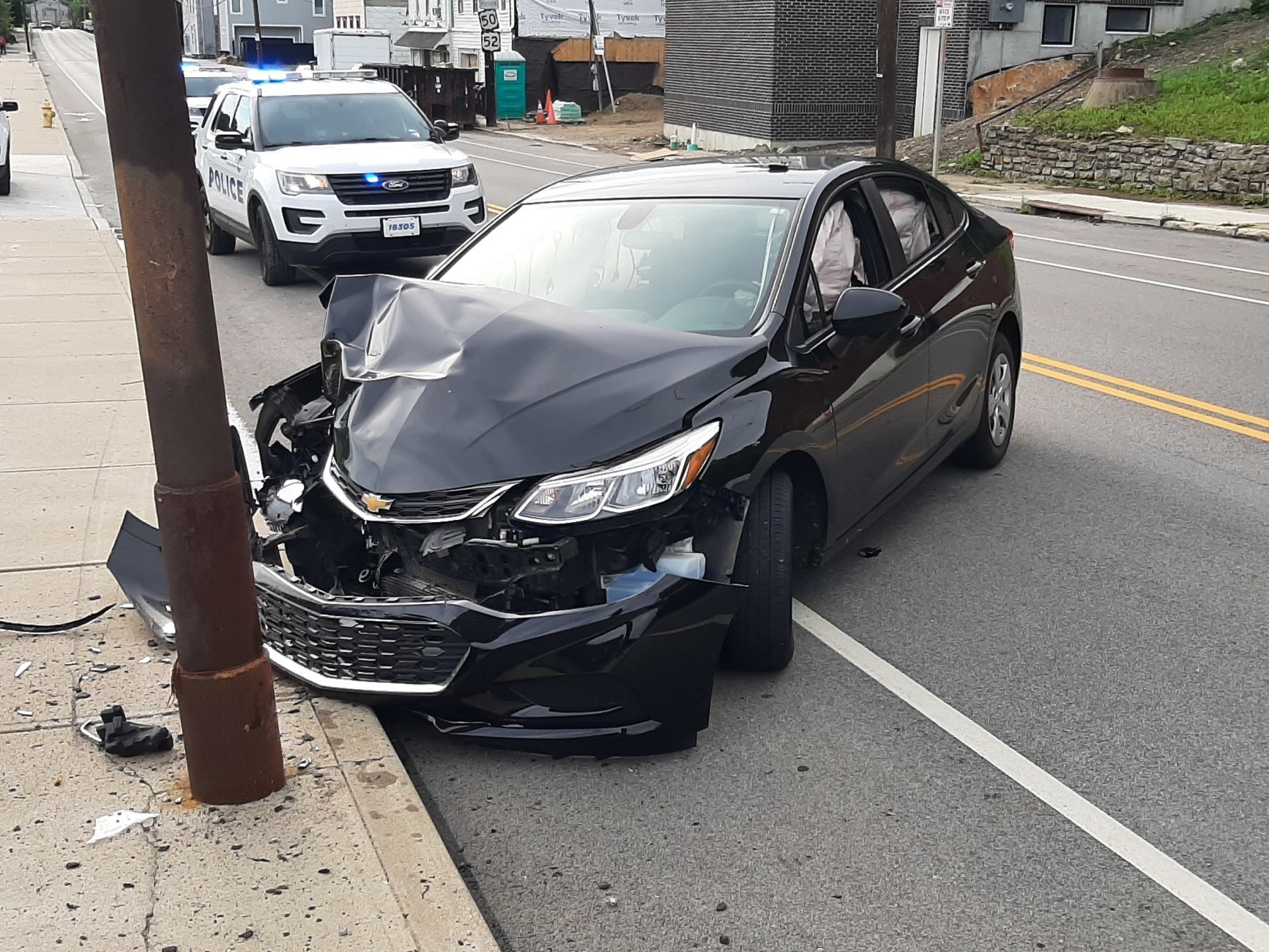
Diminished value is a term that often surfaces after a car accident. It refers to the loss in a vehicle’s market value post-repair.
Many car owners are unaware of this concept. They don’t know they can file a diminished value claim to compensate for this loss.
However, the world of diminished value is riddled with myths. These misconceptions can deter vehicle owners from pursuing their rightful compensation.
In this article, we aim to debunk seven common myths about diminished value. We’ll provide accurate information to dispel these misconceptions.
Our goal is to empower you, the vehicle owner. We want to equip you with knowledge to make informed decisions after an accident.
So, let’s dive into the world of diminished value and debunk these myths one by one.
Myth #1: Only New Cars Qualify for Diminished Value Claims
A common misconception is that only new cars can claim diminished value. This belief stems from the idea that new vehicles inherently hold more value. However, this myth does not hold true.
The reality is that used cars can also qualify for diminished value claims. The process and qualifications depend on various factors including the age and condition of the vehicle at the time of the accident.
Even older cars can experience a loss in market value post-collision. They might not drop as much in value as new ones, but they are still affected.
Each claim should be evaluated individually. The car’s make, model, repair quality, and market conditions all play a role. Owners of used cars should not shy away from filing claims.
Educating yourself about your vehicle’s worth is key. It’s crucial to acknowledge that any car, new or old, might suffer from diminished value after an accident.
Myth #2: At-Fault Drivers Cannot Claim Diminished Value
Many believe that at-fault drivers cannot claim diminished value. This misconception is widespread, but not entirely accurate.
Certain jurisdictions allow at-fault drivers to file diminished value claims, depending on specific conditions and local laws. It’s important to research your state’s stance on this issue.
Insurance policies might have provisions allowing for these claims. Some even cover diminished value if you’re at fault. Always review your policy documents and consult your provider.
Understanding your rights can empower you to seek compensation despite being at fault.
Myth #3: Diminished Value Is Only for Luxury Vehicles
Many people think diminished value applies only to luxury cars. This myth stems from a misunderstanding of vehicle valuation.
In truth, all vehicles—whether a high-end sports car or a basic sedan—can suffer diminished value after an accident.
Every vehicle has a market value, and accidents impact this value. Even with quality repairs, buyers may pay less if the vehicle has an accident history.
Mid-range and economy cars also experience diminished value, often revealed in vehicle history reports. Owners of all vehicle types should be aware of their eligibility.
Myth #4: Insurance Companies Will Always Offer Diminished Value Compensation
Many people assume insurers automatically offer diminished value compensation after accidents. In reality, they often don’t unless requested.
Insurance companies tend to prioritize repair and medical claims. Diminished value claims are rarely highlighted proactively.
Understanding your policy and taking initiative to file a claim is key. Document your case with repair records, appraisals, and photos to strengthen your position.
Being informed and assertive can lead to fairer compensation.
Myth #5: Diminished Value Equals the Cost of Repairs
It’s a common belief that diminished value equals the repair costs. However, these are two separate figures.
Diminished value refers to the difference in resale value before and after an accident, regardless of the repair expenses.
Factors such as the vehicle’s age, mileage, severity of damage, and accident history are all considered—repair costs alone don’t determine the value loss.
Even with perfect repairs, a vehicle’s market value can drop simply due to its accident record.
Myth #6: Filing a Diminished Value Claim Is Too Complicated
Some assume the process is too complex to bother. But with the right information and preparation, it becomes manageable.
Start by understanding your insurer’s policies and your state’s laws regarding diminished value. Gather documentation like repair bills, photos, and appraisals.
Engage with your insurer using clear, well-supported communication. Being informed and organized significantly simplifies the process.
Myth #7: Diminished Value Claims Must Be Filed Immediately
Another myth is that diminished value claims must be filed immediately after an accident or the opportunity is lost. While timeliness matters, you typically have more time than expected.
Each state has its own statute of limitations. Research your local deadlines so you can act within the legal timeframe.
Though you don’t need to rush, delaying too long may cause evidence to degrade. The ideal approach is to act promptly but with thorough documentation in hand.
Understanding Your Rights and the Claims Process
Understanding your rights is essential when it comes to diminished value claims. Many vehicle owners are unaware that they can pursue compensation beyond just repairs.
The process begins with gathering documentation, knowing your policy terms, and possibly seeking a professional appraisal.
Communicate with your insurer clearly and be prepared to negotiate. Staying informed and proactive will increase your chances of a successful claim.
If the process feels overwhelming, don’t hesitate to seek professional help. Knowledge and support are your strongest assets in securing rightful compensation.