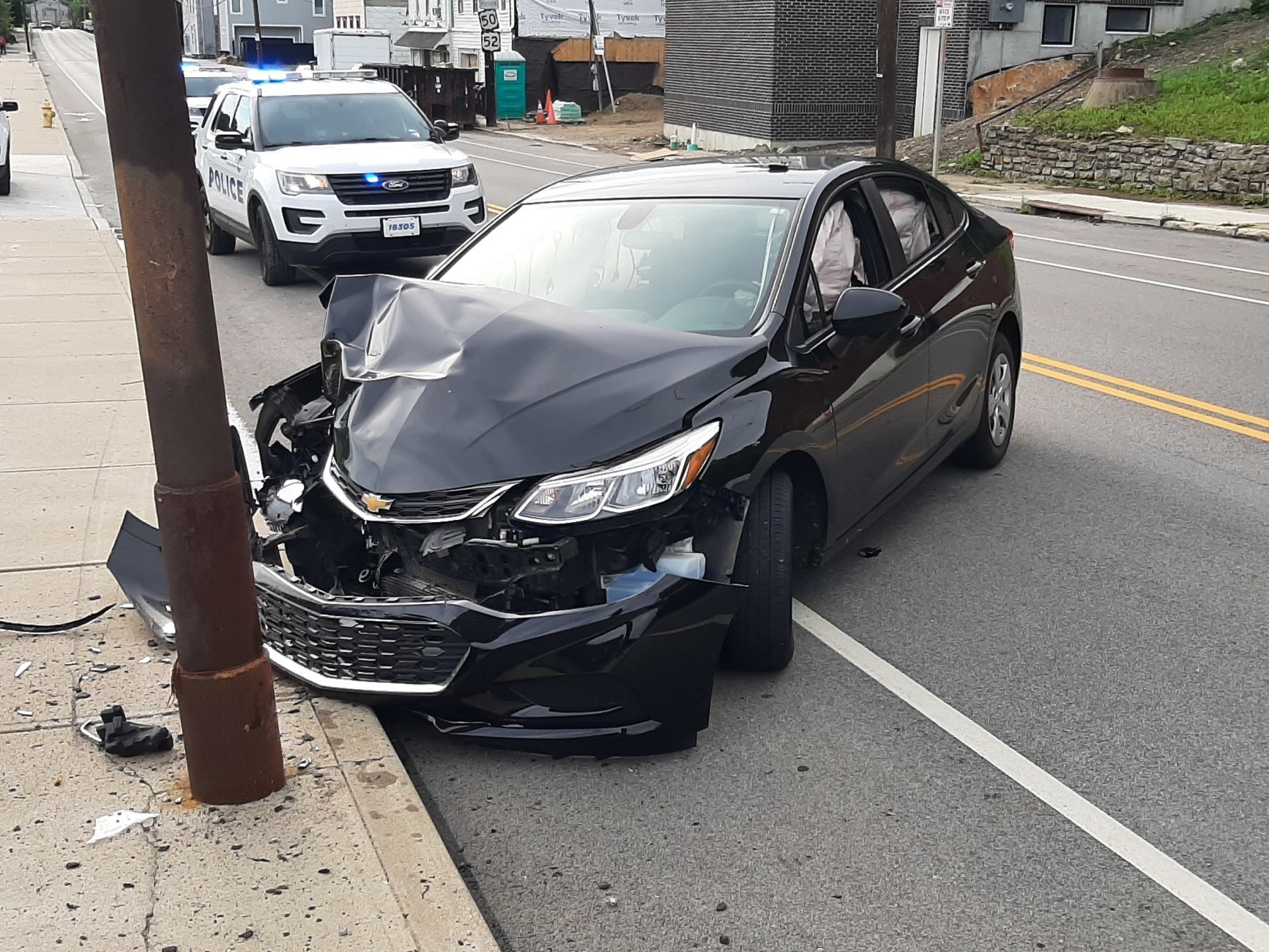
Navigating the aftermath of a car accident can be daunting. Understanding the total loss valuation process in North Carolina is crucial.
When a vehicle is deemed a total loss, it means repair costs exceed a significant portion of its value. This process involves several steps, including an assessment by an insurance adjuster.
The total loss settlement is the amount paid to the policyholder, often based on the vehicle’s actual cash value. Knowing what to expect can help you prepare and negotiate effectively.
In North Carolina, specific laws and procedures govern this process. Being informed about these can make a significant difference in your settlement outcome.
This guide will walk you through the total loss process, ensuring you are well-prepared and informed.
What Is a Total Loss in North Carolina?
In North Carolina, a vehicle is deemed a total loss when the cost to repair it exceeds 75% of its pre-accident value. This threshold is set to ensure vehicles are economically feasible to repair.
An insurance adjuster evaluates the damage to determine if a car meets this criterion. They consider the cost of parts, labor, and any additional necessary repairs. When repairs are too costly compared to the vehicle’s worth, it leads to a total loss designation.
Several factors influence this decision. These factors include:
- Vehicle make and model
- Age and mileage
- Condition prior to the accident
- The cost of repairs needed
Understanding these factors helps policyholders grasp why their vehicle was declared a total loss. This awareness can guide them through subsequent steps in the process.
Knowing what constitutes a total loss can prepare policyholders for potential outcomes following an accident. It’s essential to be aware of state-specific regulations to navigate effectively.
The Total Loss Process: Step-by-Step
Navigating the total loss process can feel overwhelming, but understanding each stage can ease stress. The journey begins immediately after the accident.
Firstly, report the accident to your insurance company. They will initiate a claim and assign an adjuster to assess the damage. Prompt communication helps expedite this step.
Next, an insurance adjuster examines the vehicle’s condition. They evaluate the required repairs and compare costs to the vehicle’s pre-accident value. This evaluation determines if the vehicle is a total loss.
The adjuster will also calculate the Actual Cash Value (ACV) of your car. This figure considers depreciation, mileage, and overall wear and tear. It’s the base amount for the settlement offer.
Once the ACV is determined, the insurance company presents a settlement offer. This offer typically reflects the ACV minus any deductibles owed. Review the offer carefully.
In cases where the vehicle is financed, the lienholder might receive payment first. The remaining balance, if any, goes to you. This ensures the loan is covered before settling with the policyholder.
To ensure a smooth process, gather records and proofs such as maintenance logs and recent upgrades. This documentation supports a fair valuation and aids in potential disputes.
Understanding these steps prepares policyholders to engage confidently with their insurer. Preparedness is key to a fair and satisfactory resolution.
How Total Loss Valuation Works in North Carolina
In North Carolina, determining a total loss involves a specific process. This process helps estimate your vehicle’s worth before and after an accident.
The key figure here is the Actual Cash Value (ACV). This is your car’s market value just before the damage occurred. Insurance adjusters use it to measure the loss.
The ACV isn’t random; it’s calculated based on various factors. Insurers assess the car’s make, model, age, mileage, and overall condition. Each aspect influences the final number.
Moreover, the repair cost is crucial. If repairs exceed 75% of the car’s pre-accident value, it is often considered a total loss. This threshold is a general guideline in the state.
To ensure fairness, insurance companies must explain their valuation method. Policyholders receive a detailed, written breakdown of how they arrived at the final amount.
Key elements impacting total loss valuation include:
- Vehicle age and mileage
- Market trends and economic conditions
- Pre-accident condition
- Recent upgrades or modifications
The clarity and transparency of this process aim to protect the interests of all parties. It helps you understand and plan your next steps.
Understanding Actual Cash Value (ACV) and Salvage Value
When dealing with a total loss, understanding the Actual Cash Value (ACV) and salvage value is vital. ACV represents what your vehicle was worth just before the accident.
This valuation considers multiple factors. The car’s make, age, mileage, and condition all influence the ACV. Think of it as the vehicle’s fair market price.
Salvage value is different. It’s the estimated worth of the car’s parts and materials after it’s declared a total loss. This value is usually lower than the ACV.
Comprehending these terms helps in negotiating your total loss settlement. Knowing your vehicle’s fair value leads to better discussions with your insurer.
Factors impacting ACV and salvage value include:
- Condition and mileage
- Recent repairs or updates
- Local market demands
- Part availability and demand
In some cases, you might retain your car. By paying the salvage value, you can keep the damaged vehicle for parts or repair.
What to Expect During a Total Loss Settlement
Embarking on a total loss settlement can feel daunting. However, knowing the process can alleviate some stress. Initially, the insurance company will propose a settlement offer.
This offer typically reflects the Actual Cash Value (ACV) of your vehicle minus your deductible. Remember, if your car was financed, the payout might first address any existing loan balance.
Communication is crucial during this period. The insurance adjuster should provide a detailed explanation of how the settlement was calculated. North Carolina law mandates this transparency.
Expect a negotiation phase if you’re unsatisfied with the valuation. Armed with independent appraisals or maintenance records, you can contest the initial offer.
Key steps in a total loss settlement:
- Receive and review the settlement offer
- Provide counter evidence if needed
- Communicate clearly and document all interactions
- Understand your rights and responsibilities
Patience is essential. Total loss settlements can take several weeks to finalize, depending on the complexity of the claim. Staying informed throughout the process is your best asset.
Your Rights and Options: Disputing the Valuation
If you believe the insurance company’s valuation is too low, you have rights and options to dispute it. Disputing the valuation requires preparation and attention to detail.
Start by reviewing the insurance company’s report. Understanding their calculation helps in building your case. Gather any relevant evidence, such as maintenance records and receipts for recent upgrades.
Consider obtaining an independent appraisal. This can provide a more accurate valuation of your vehicle’s worth. It supports your claim and strengthens your negotiation position.
Here are steps you can take to dispute the valuation:
- Review the insurer’s valuation report thoroughly
- Gather documents supporting a higher valuation
- Obtain an independent appraisal for comparison
- Contact your insurance adjuster to discuss discrepancies
- Escalate the dispute if needed through formal channels
Throughout the dispute process, keep a record of all communications with your insurer. Be polite yet assertive during these discussions. Knowing your rights empowers you to advocate for a fair settlement. Understanding this process can result in a more satisfactory financial outcome.
Tips for Navigating the Total Loss Process
Navigating the total loss process can be challenging. Having a strategy is key to ensuring a fair settlement. Understanding each step prepares you for what to expect.
Firstly, stay organized. Keep all documents and communications accessible. This includes accident reports, repair estimates, and insurance policy details. Being thorough prevents delays and confusion.
Communication with your insurance company is crucial. Clear and concise communication helps resolve issues promptly. Avoid misunderstandings by asking questions if something isn’t clear.
Here are practical tips for navigating the total loss process:
- Document all interactions and keep a copy
- Understand your policy and its specifics
- Be proactive in seeking repairs or appraisals
- Use an independent appraiser if needed
- Consult a professional for complex issues
Being proactive reduces stress during what can be a complex process. Knowing your rights and options empowers you. Preparation helps you achieve a satisfactory settlement and move forward confidently. The total loss process is an opportunity to reassess your insurance coverage and needs.
Frequently Asked Questions About Total Loss in North Carolina
Many drivers have questions about total loss. It’s important to understand the process clearly. Here are answers to common questions.
- When is a vehicle deemed a total loss? In North Carolina, it’s a total loss when repair costs exceed 75% of the vehicle’s pre-accident value.
- What should you do if you disagree with the insurance valuation? You can dispute it. Consider hiring an independent appraiser for verification. Be proactive to ensure a fair settlement.
- How is the actual cash value (ACV) calculated?
- Can I keep my totaled vehicle?
- What is salvage value, and how does it affect me?
Being informed about these topics helps you navigate the total loss process more smoothly.
Conclusion: Moving Forward After a Total Loss
Understanding the total loss process in North Carolina empowers you to handle accidents with confidence. Knowledge aids in navigating claims and securing fair settlements.
As you move forward, remember the importance of being informed and proactive. This helps in making the best decisions for your financial and transportation needs after a total loss.